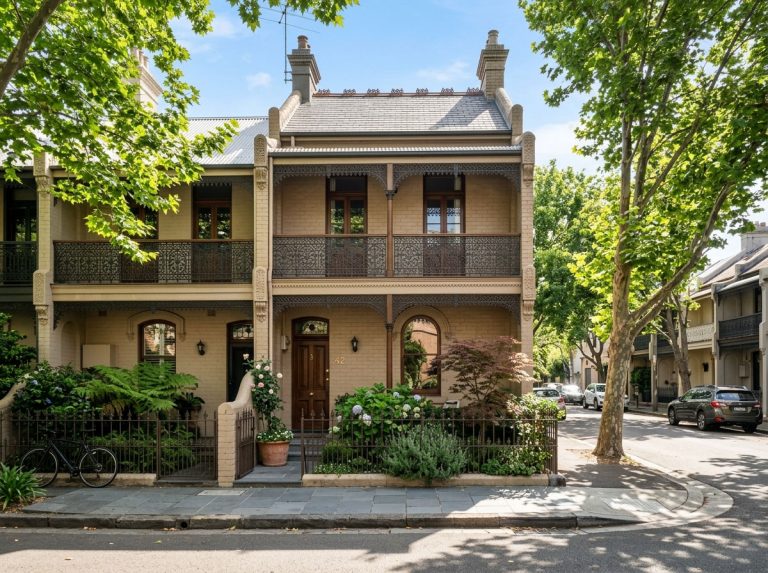
Self-Managed Super Funds (SMSFs) remain a cornerstone of wealth strategy for Australians seeking control over retirement investments, and property continues to be among the most attractive asset classes. However, the legal and regulatory landscape governing SMSF property investment has evolved significantly in recent times, with new compliance obligations and lender restrictions shaping how trustees operate.
At Buyer’s Domain, as Sydney-based buyers’ agents with extensive experience assisting SMSF clients, we help trustees navigate these complexities to make informed, compliant, and profitable investment decisions in the property market.
Understanding the Core SMSF Investment Principles
An SMSF’s investment strategy must always satisfy the Sole Purpose Test—that is, the fund must exist solely to provide retirement benefits to members or their dependants in case of death before retirement.
This principle lies at the heart of all regulatory guidance. Any transaction that generates personal benefit or convenience before retirement—such as living in or renting property to family members—immediately breaches compliance.
The Australian Taxation Office (ATO) enforces these principles with increasing rigour. Recent audits and enforcement actions in 2025 reflect a stronger regulatory focus on asset separation, related-party transactions, and non-arm’s length income (NALI) risks.
ATO Updates and Compliance Crackdown in 2025
Changes implemented in mid-2025 by the ATO and major lenders have tightened both borrowing conditions and reporting standards for SMSF property transactions.
Key updates include:
- Independent rental appraisals are now mandatory when leasing to related parties, such as business entities owned by SMSF members.
- Trustees must retain signed commercial lease agreements and documented payment evidence for all SMSF-owned properties.
- Higher scrutiny applies to limited recourse borrowing arrangements (LRBAs), particularly private loans not sourced from licensed institutions.
- The maximum loan-to-value ratio (LVR) on SMSF residential property has been reduced from 80% to 75% at most lenders.
- SMSFs must demonstrate a minimum net asset balance of AUD 250,000–300,000 post-settlement, reflecting a policy shift towards experienced investors.
These changes signal a clear move towards increased transparency and risk mitigation.
What SMSFs Can and Cannot Buy
While SMSFs provide flexibility, strict limitations regulate permissible property transactions. Understanding these boundaries prevents inadvertent breaches that could jeopardise fund compliance or trigger tax penalties.
Permitted Property Investments
An SMSF can invest in the following property categories:
- Residential property, provided it is acquired from a non-related party at market value.
- Commercial property, including offices, warehouses, and retail spaces, purchased at arm’s length.
- Mixed-use property, where commercial and residential components are clearly segregated.
Vacant land, for future development, provided the SMSF does not engage in active property development using borrowed funds.
Prohibited Property Investments
The ATO imposes firm prohibitions to maintain fund integrity:
- SMSFs cannot purchase residential property from a fund member, relative, or related entity.
- SMSF properties cannot be occupied or used by any related party, even temporarily.
- SMSFs cannot finance construction, subdivision, or renovation with borrowed funds (under an LRBA).
- SMSFs cannot exceed 5% of total assets held in “in-house” assets (investments in related parties or entities) with narrow exemptions.
The Sole Purpose and Arm’s Length Tests
Two interlinked compliance requirements serve as the foundation for SMSF property investment:
- The Sole Purpose Test ensures the property’s purpose is legitimate and retirement-focused.
- The Arm’s Length Test mandates that all transactions—purchases, leases, and sales—be conducted at market value and on commercial terms.
For example, if your SMSF owns a Sydney office leased to your own business, rent must equal a fair market rate as verified by an independent valuer, and payments must follow a formal, enforceable lease agreement.
Failure to comply with either test may result in the ATO deeming the income non-arm’s length, applying penalty tax rates up to 45%.
SMSF Borrowing Rules and Structures: 2025 Requirements
Borrowing within SMSFs is only permissible through a Limited Recourse Borrowing Arrangement (LRBA). This is a regulated structure allowing loans to purchase a single assetThe lender’s recourse is limited solely to that asset, protecting other fund assets from risk exposure.
However, lending criteria in 2025 have tightened considerably:
- Maximum LVR: Generally 75%, sometimes less for specialised assets.
- Loan Term: Typically capped at 25–30 years with five-year interest-only periods.
- Property Type Limitations: Excludes high-density apartments, off-the-plan projects, and properties subject to high vacancy risk.
- Lender Discretion: Strict documentation requirements have reduced the pool of accredited SMSF lenders.
Trustees must also establish a bare trust (holding trust) that legally owns the property until the LRBA is fully repaid. Each transaction must be professionally structured, as errors in documentation or trustee naming can invalidate the entire arrangement.
Residential vs Commercial SMSF Property Rules
| Aspect | Residential Property | Commercial Property |
| Purchased From | Must be from an unrelated party | Can be purchased from a related party at market value |
| Leasing | Cannot lease to a member or related entity | Can lease to a related business if at market rent |
| Occupancy | No personal or family use permitted | Must be exclusively for business purposes |
| Renovations | No use of borrowed funds for development | Allowed if financed from fund liquidity |
| Audit Documentation | Rental appraisal and management agreement | Lease contract and independent valuation |
The distinction between residential and commercial rules as highlighted above underpins why many business owners utilise their SMSF to acquire commercial premises—such as offices or warehouses—leasing them back to their trading companies on compliant terms. It allows strategic asset ownership within super while directing rent payments into retirement funds.
The In-House Asset Rule and the 5% Cap
SMSFs are prohibited from holding more than 5% of their total market value in in-house assets, including loans to related parties, investments in related trusts, or property leased to related entities.
Regular asset valuations are essential to ensure compliance with this threshold. Should a fund exceed the limit, trustees must divest or restructure assets promptly to avoid penalties, taxation disqualification, or forced unwinding under ATO direction.
Documentation, Record-Keeping, and Reporting
The 2025 regulatory environment demands enhanced documentation across every stage of SMSF property investment. Trustees must:
- Retain purchase contracts, valuation reports, and lease agreements.
- Maintain bank statements confirming rent deposits and repayment flows.
- Undergo annual independent audits verifying compliance with SIS Act provisions.
- Report any related-party transactions in annual returns submitted to the ATO.
Inadequate record-keeping can trigger disqualification of trustees or non-compliance penalties.
Strategic Considerations for SMSF Property Investors
When executed correctly, SMSF property investment offers considerable long-term wealth benefits. For Sydney investors, these include:
- Rental Returns: SMSFs benefit from stable commercial rents and high tenant retention in Sydney’s core zones.
- Tax Efficiency: Net rental income is taxed at 15%, while capital gains on holdings greater than 12 months enjoy an effective rate of 10%.
- Asset Control: Trustees retain direct oversight of capital deployment aligned with personal retirement timelines.
- Generational Transfer: Property within an SMSF can pass to beneficiaries with significant tax advantages upon retirement or death.
However, these advantages materialise only through strict compliance and professional guidance.
How Buyers’ Domain Supports SMSF Trustees
At Buyer’s Domain, our buyers’ agents assist SMSF clients across Sydney in identifying compliant, high-performing properties suited to superannuation structures. We collaborate with financial planners, accountants, and legal professionals to ensure investment outcomes meet both regulatory and strategic goals.
Our services encompass:
- Strategic property sourcing within SMSF borrowing parameters.
- Independent due diligence on the property and commercial viability.
- Liaison with lenders and trust administrators to facilitate the process.
Closing Reflection: Precision and Compliance Drive Performance
In 2025, SMSF property investment remains a powerful mechanism for retirement planning, but the margin for error has narrowed. As regulatory oversight intensifies and lender scrutiny increases, trustees must approach investment decisions with diligence, documentation, and professional oversight.
At Buyer’s Domain, we remain committed to guiding self-managed super fund investors towards compliant, future-focused property strategies in Sydney’s evolving market.
To discuss SMSF property opportunities, connect with our team of experienced buyers’ agents for tailored advisory support.