Many business owners prefer to purchase commercial property for their business because it provides them with more freedom and flexibility than being tied to a lease. It’s a sensible choice for company expansion, as it allows a business owner to configure the space to suit whatever needs they have.
However, buying a commercial property is certainly not a walk in the park. You can expect to encounter various obstacles before you find the right property for your business. To make the process easier, here are some essential factors to consider when buying commercial property:
Location
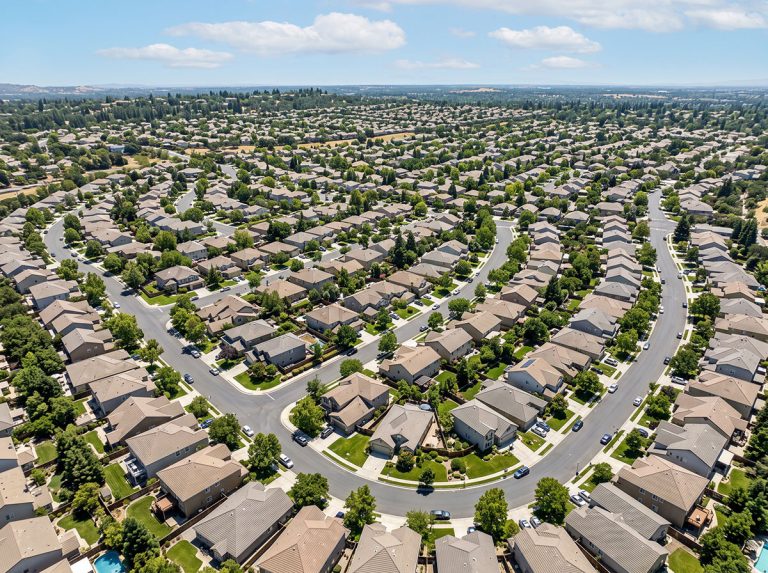
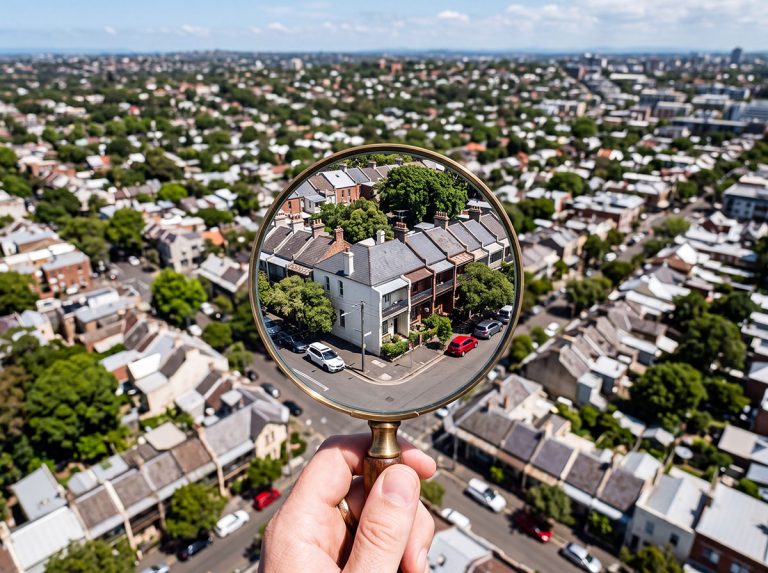
The location of your commercial property is essential. When choosing a location for your commercial property, consider the number of employees who work in-house, the accessibility of the location, and its proximity to essential services. A central location is desirable because of easy transport links. However, if you rarely receive any clients in the property, a location outside of town may be a cost-effective option.
Zoning
Before you sign the deal, consider the zoning of the property. Make sure that your proposed use complies with the relevant regulations. Otherwise, you could find yourself dealing with issues in the future that can hamper business operations. It’s easy to overlook the details of the surrounding area, so make sure to do this first before you purchase a property for your commercial needs.
Cash Flow
If you are a new business, consider how much to spend on buying the property. New businesses must carefully watch their cash flow and avoid the risk of overspending on premises in case the company does not deliver desired results. A fully-established business may experience this, too, which is why you need to be strategic when it comes to choosing how much to invest on a commercial property.
Return on Investment
If you plan to sell the property in the future, will it hold its value? Could it give you a positive return on investment if you sell it in 10 years? Even if your business is booming, you might reach a point when you have to move and sell your property. Will the property have generated a good return on investment? If not, then you may have chosen the wrong property, but of course, it will be too late by then!
Conclusion
Purchasing a commercial property requires a significant amount of time and money. That’s why you need to ensure that you’re getting the right property for your business. These factors will lead you to the property that will suit all your needs.
Since buying a commercial property can be a tedious and time consuming process, consider hiring a buyer’s agent to help you. Having a real estate buying expert by your side will help make things go smoothly.
Looking for the perfect commercial property for your business? Our buyer’s agent in Sydney can’t wait to help you out. Call us today to speak to any of our agents!