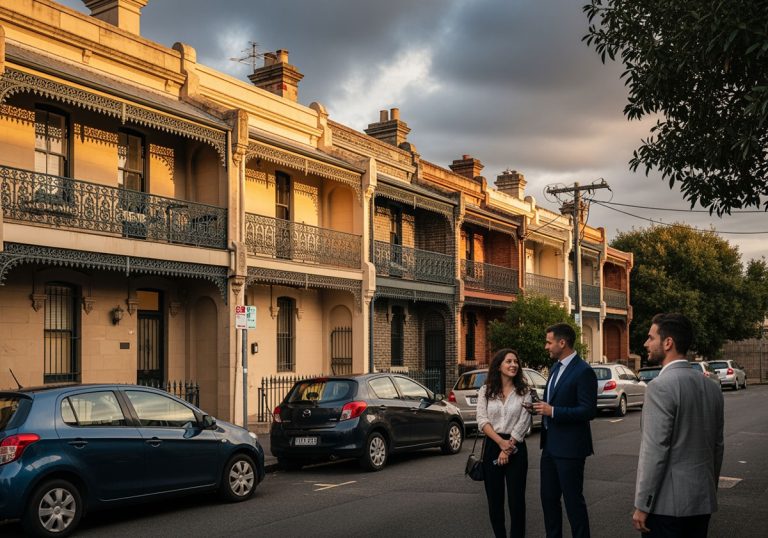
Property investors are increasingly considering short‑term rental accommodation (STRA) through platforms such as Airbnb as a way to enhance yield, particularly in high‑demand parts of Sydney. For this strategy to be effective, it must align with New South Wales regulatory settings, local council controls, strata by‑laws and realistic assumptions about income, costs and personal use of the asset.
Understanding NSW STRA regulations
New South Wales operates a statewide STRA framework that distinguishes between “hosted” arrangements (where the owner lives on site) and “non‑hosted” stays (where the entire dwelling is let to guests). Non‑hosted STRA, which covers most investor‑owned Airbnb properties, is capped at 180 nights per calendar year. Councils cannot vary this cap except where the NSW Government grants a specific exemption (as has occurred in Byron Shire). On the other hand, hosted STRA is typically not subject to a night limit provided it complies with planning and safety rules.
Properties used for STRA must meet the NSW STRA Fire Safety Standard, be registered on the state STRA register, and comply with a mandatory Code of Conduct covering guest behaviour, complaints and enforcement powers. Breaches can result in removal from the register and platform bans, which is a material regulatory risk for investors who rely on short‑term income.
Local council variations and strata restrictions
Within this statewide framework, local councils can further restrict STRA through zoning controls, development approvals and enforcement – this can make STRA prohibited or impractical even where the statewide 180 night cap applies. In practice, this means two similar properties in different Sydney LGAs can have very different income potential and regulatory risk profiles, even if they are both listed on Airbnb.
For example, in North Sydney, STRA is treated as “tourist and visitor accommodation” which is not allowed at all in many residential zones.
Strata schemes add another layer: many apartment buildings have adopted by‑laws that either prohibit non‑hosted short‑term letting altogether or confine STRA to a narrow set of circumstances, and NSW legislation expressly permits owners corporations to restrict short‑term letting in most non‑principal‑place‑of‑residence scenarios. For investors, due diligence on strata records, existing by‑laws and any recent tribunal disputes about STRA is essential before committing to a purchase.
City of Sydney cap developments
The City of Sydney has been one of the most active councils in scrutinising the impact of non‑hosted STRA on housing affordability and availability. Council resolutions and recent reporting indicate that the City is formally investigating a reduction of the current 180‑night cap for non‑hosted STRA to as low as 60 nights per year, following the policy direction set in Byron Shire.
If such a cap is implemented, the economics of a dedicated Airbnb investment in parts of the CBD, Surry Hills, Darlinghurst, Pyrmont and neighbouring inner‑city precincts could shift materially, pushing some investors back towards long‑term tenancies or mixed personal‑use strategies. Investors targeting these areas should factor in the possibility of tighter caps within their sensitivity modelling rather than assuming the current 180‑night allowance will persist.
Choosing the right location in Sydney
From an income perspective, Sydney’s strongest STRA markets tend to be areas that combine tourism appeal, lifestyle amenity and excellent transport, such as beachside suburbs, harbourside precincts and vibrant inner‑urban villages. For Inner West‑focused investors, this may translate into walkable, character suburbs with strong café culture and proximity to the CBD, universities and major hospitals.
However, yield is only one dimension; investors should prioritise locations with resilient long‑term residential demand and constrained supply so that, if regulations change or Airbnb income underperforms, the property still functions as a high‑quality long‑term rental or owner‑occupier asset. Inner West suburbs with strong transport links and established amenities often offer a dual benefit of solid capital growth prospects and diversified rental demand making the area popular for investors.
Selecting suitable property types
Not all property types are equally suited to STRA in Sydney. Stand‑alone houses, semi‑detached homes and townhouses in residential streets often face fewer strata complications and can command a premium from family and group bookings, especially where outdoor space and parking are available. In contrast, apartments can work well in buildings that explicitly permit STRA and are designed for transient occupancy, but they carry more regulatory and by‑law risk in conventional residential strata schemes.
Layout and specification are also critical. Flexible sleeping arrangements, good acoustic separation, modern bathrooms, climate control and secure access all influence nightly rates and reviews, while lift access and parking can materially widen the potential guest pool. Investors should view the property through both a guest lens (short‑stay appeal) and a reversion lens (how attractive it would be as a standard rental or future resale if STRA is constrained).
Financial considerations and risk management
From a financial perspective, Airbnb strategies should be modelled conservatively, taking into account the relevant night cap, realistic occupancy rates, nightly tariff volatility and platform fees. Operating costs are materially higher than for a standard tenancy, including cleaning, linen, utilities, internet, consumables, insurance, compliance inspections and higher wear‑and‑tear allowances. Specialist STRA property management agencies operate across Sydney. Again, their fees are significantly higher than for standard residential property managers (usually anywhere between 15% – 30% compared to 5% to 7% for standard residential property managers).
Investors should stress‑test cash flow under scenarios where occupancy falls, average daily rates soften, or caps are tightened, ensuring that the property remains serviceable on a long‑term rent basis at local market rates. Specialist insurance for STRA, appropriate business registration and professional tax advice are also essential, given that short‑term letting is generally treated differently to standard residential leasing for both risk and taxation purposes.
Practical issues where you intend to use the property
Many Sydney investors contemplate a hybrid approach, particularly for a holiday house further afield in areas like the Central Coast or Southern Highlands. This allows combining personal stays with guest bookings to balance lifestyle access and income. In practice, this requires careful calendar management, clear blocked‑out periods and a realistic understanding of how personal use will dilute annual revenue, particularly in peak seasons such as summer and major event periods.
Operationally, remote key management, guest support, cleaning coordination and maintenance response all need to function smoothly when the owner is not present. Once again, STRA managers handle these tasks for a fee, which improves guest experience and compliance but further compresses net yield. Prospective investors should decide early whether they wish to self‑manage or outsource and factor that choice into both financial modelling and property selection.
Why engage a buyers’ agent for an Airbnb strategy
Specialist buyers’ agents with deep Sydney experience can add value at multiple points in an Airbnb‑oriented acquisition strategy. This includes identifying suburbs and micro‑locations where the balance of regulatory risk, guest demand and long‑term capital growth is favourable, and where a property can pivot between STRA and conventional rental use if required.
Buyers’ agents also conduct detailed due diligence on planning controls, strata by‑laws, building quality and likely running costs, while negotiating favourable purchase terms in a competitive market where many listings still attract strong interest from both investors and owner‑occupiers. At Buyer’s Domain, our focus is on securing investment‑grade Sydney assets that remain robust under changing rules, enabling clients to pursue Airbnb income today without compromising long‑term flexibility or capital performance.