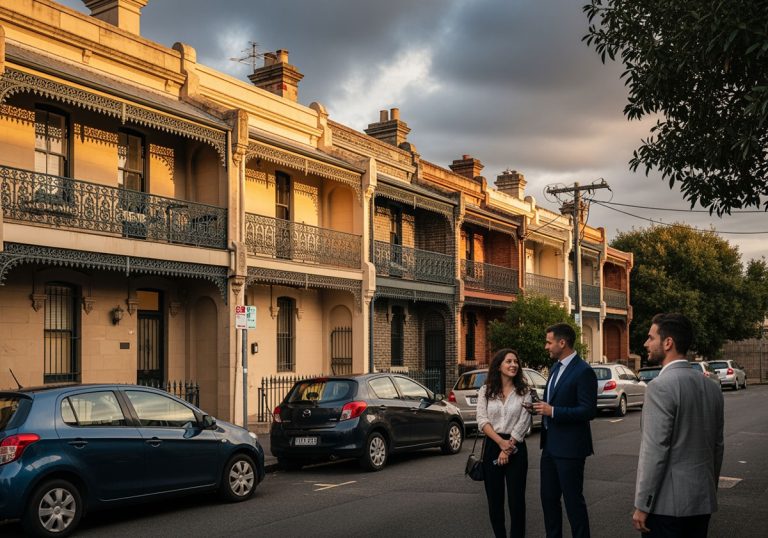
Buyers, especially in Sydney’s Inner West, are increasingly viewing value through a new lens, favouring quality, efficiency and convenience over raw square metres or bargain hunting. In 2026, we expect this trend to strengthen even further as buyers become more discerning about how a home supports their lifestyle. As buyers’ agents focused on Sydney’s Inner West, we see 2026 shaping up as a year when “what the property does for your life” matters more than how many bedrooms sit on the floor plan and the size of the block.
The macro shifts reshaping “value”
Sydney’s property market is moving into a phase of moderate but resilient growth, supported by tight rental conditions, ongoing population growth and relatively low vacancy rates. In this context, buyers are increasingly selective, weighing the cost of mortgage repayments and rising energy costs to pinpoint properties that offer lower ongoing expenses and greater long-term liveability.
Work patterns, commuting expectations and household structures continue to evolve, with hybrid working from home patterns now entrenched and professionals seeking a balance between city access and suburban amenity. At the same time, construction costs, inflation and trades shortages are pushing many purchasers away from renovation projects and towards well-finished homes that do not require renovations.
The new definition of value
In 2026, “value” in Sydney will be less about buying the largest home for the lowest possible price, and more about securing a property that supports daily life, reduces ongoing costs and offers flexibility as circumstances change. Buyers will weigh commute times, running costs, neighbourhood character and built quality as heavily as they weigh land size or number of bedrooms.
Value will also become increasingly subjective across buyer types. Families will prioritise school catchments, park access and functional outdoor space; professionals will lean towards transport, café culture and low-maintenance living; downsizers will seek walkable, lock‑up‑and‑leave residences; and investors will look for a balance of yield, tenant demand and long‑term growth linked to infrastructure.
15‑minute living without the inner‑ring premium
Location choice is shifting from simple distance‑to‑CBD metrics towards “daily convenience”, with many buyers aiming for a 15‑minute lifestyle – where work, shops, parks, schools and transport are all within a short walk, ride or drive. In the Inner West and South Sydney, that trend favours suburbs with improving transport links, emerging cycle networks and strong local high streets, rather than those that rely exclusively on distant hubs.
The Sydney Metro West project and the Bays Precinct planning are prime examples of infrastructure that will reshape perceived value even before completion, as buyers anticipate future connectivity between The Bays, the CBD and the west. We expect suburbs such as Lilyfield, Rozelle, Annandale and the edges of Leichhardt to benefit from this “ripple effect”, while Zetland, Green Square and surrounding South Sydney pockets will continue to appeal to buyers who want density with amenity rather than density alone.
Energy efficiency and the “low‑running‑cost home”
Rising power prices are widening the divide between efficient and inefficient homes, a gap that is set to grow into 2026 and beyond. Research consistently finds that energy-efficient properties sell at a premium, as buyers place greater value on features like solar panels, high-performance insulation and quality glazing for the comfort and cost savings they provide.
In established suburbs such as Marrickville, Dulwich Hill and Petersham, renovated homes that incorporate these upgrades are regularly attracting a substantial price uplift over “project” properties that require extensive work, reflecting both construction cost pressures and buyer appetite for turn‑key efficiency. In time, we anticipate that low‑running‑cost homes will be a distinct and recognisable sub‑segment in the Inner West and South Sydney markets, especially appealing to cost‑conscious families and investors focused on net yield.
Liveability and adaptable space
Hybrid working has moved from temporary response to permanent norm, making functional, dedicated workspace a mainstream requirement rather than a bonus. Buyers are increasingly discounting properties that can offer only a small study nook, and instead favour layouts that provide a separate room that can function as an office, guest bedroom, teen retreat or future carer’s room.
Outdoor areas are also being re‑evaluated, with courtyards, balconies and modest gardens in suburbs such as Leichhardt, Stanmore and Newtown seen as essential “extra rooms” that extend living space and support year‑round use. We expect that properties with genuine “multi-purpose” and well‑designed indoor‑outdoor transitions to outperform traditional, rigid 2–3 bedroom layouts that cannot easily adapt as family needs change.
Quality over quantity
The combination of higher construction costs, stretched trades and stories of renovation blowouts is driving a strong shift towards quality over quantity. In 2026, we expect buyers in the Inner West, Bays Precinct-adjacent suburbs and the South City Fringe to prioritise well‑built, well‑finished homes that require minimal immediate work, even if that means accepting slightly less internal area.
Solid construction, good ventilation and thoughtful design – for example, double brick terraces with well‑planned extensions in Annandale or thoughtfully upgraded Federation homes in Haberfield – are likely to attract a premium over larger but poorly executed builds. For time‑poor professionals and downsizers, the appeal of turn‑key condition and predictable maintenance can easily outweigh the theoretical upside of a cheaper “fixer‑upper” that will tie up capital and attention for years.
Micro‑neighbourhoods and hyper‑local value
Within each suburb, micro‑neighbourhoods are becoming more important as buyers learn to differentiate between quiet, park‑adjacent, walkable pockets and streets that sit on or near major thoroughfares. Proximity to local parks, village‑style high streets and evolving school catchments is creating strong pockets of demand, even in suburbs that might look average when assessed only at a suburb‑wide level.
In the Inner West, this is evident in streets that sit within easy reach of café clusters in Leichhardt’s Norton Street, Marrickville Road or Dulwich Hill village, yet remain shielded from heavy traffic. In South Sydney, select pockets of Alexandria, Waterloo and Rosebery that combine green space access, pedestrian links and distance from flight paths are also gaining ground, particularly among young families and professionals.
Investors: yield, growth and infrastructure
Investors in 2026 will be less willing to speculate and more inclined to pursue locations that offer both sustainable rental yield and credible long‑term growth drivers. Tight rental markets, with vacancy rates at historically low levels in many parts of Sydney, are encouraging a focus on areas with enduring tenant demand, such as Inner West suburbs popular with professionals, students and essential workers.
Smaller, energy‑efficient apartments in well‑located buildings are becoming particularly attractive, as they tend to command strong rents, low vacancy and manageable running costs. Upcoming infrastructure – including Sydney Metro West and associated precincts like The Bays – is also playing a larger role in investors’ analytics, with many targeting suburbs positioned to benefit from improved transport and amenity in the next decade.
The community factor and border‑suburb opportunity
Beyond the numbers, 2026 buyers will place growing importance on community, safety and local identity when assessing value. Connected neighbourhoods such as Marrickville and Dulwich Hill, with strong village centres, active community groups and recognisable cultural identities, are already achieving strong competition from buyers who want a sense of belonging as well as a solid investment.
Affordability pressures will continue to push spillover demand into adjacent “border” suburbs that offer similar community feel and amenity at a lower entry price, such as pockets around the edges of the Inner West, the South City Fringe and selected Lower North Shore localities. For price‑sensitive families, first‑home buyers and yield‑focused investors, these emerging pockets often present the most compelling balance of value per square metre, lifestyle benefits and future growth potential as infrastructure and amenity catch up.
Key value drivers by buyer type
The following table summarises how different buyer groups are likely to prioritise value in Sydney in 2026.
| Buyer type | Primary 2026 value drivers in Sydney |
| Families | School catchments, parks and open space, flexible floorplans, energy efficiency and safe, community‑oriented streets in suburbs such as Leichhardt, Marrickville and Dulwich Hill. |
| Professionals | 15‑minute living with rapid transport links, high‑street amenity, low‑maintenance homes or apartments in areas like the Inner West, Zetland and Green Square. |
| Downsizers | Walkability, lift access, high‑quality finishes, lock‑up‑and‑leave security and proximity to cafés and healthcare in established inner‑suburban locations such as Rozelle and Balmain. |
| Investors | Rental scarcity, low vacancy, energy‑efficient stock, infrastructure‑backed growth and tenant‑friendly neighbourhoods near employment and education hubs such as Newtown and Stanmore. |
Positioning ahead of the 2026 market
For buyers who want to stay ahead of these shifts, the key will be to look beyond headline price and ask how each property will perform on liveability, cost of ownership, flexibility and micro‑location. As specialist buyers’ agents based in Leichhardt and active across the Inner West, Eastern Suburbs and North Shore, we help clients identify the streets, buildings and individual properties that best align with these evolving definitions of value, while negotiating effectively in competitive conditions.
If you wish to refine your strategy for 2026 – whether as a home buyer or investor – we can guide you towards suburbs and specific opportunities that match your budget, risk tolerance and lifestyle requirements, and secure the right property on the right terms. By partnering with experienced buyers’ agents who are immersed in Sydney’s micro‑markets every day, you can move with confidence into the next big shift in value, instead of reacting to it after prices have already moved.