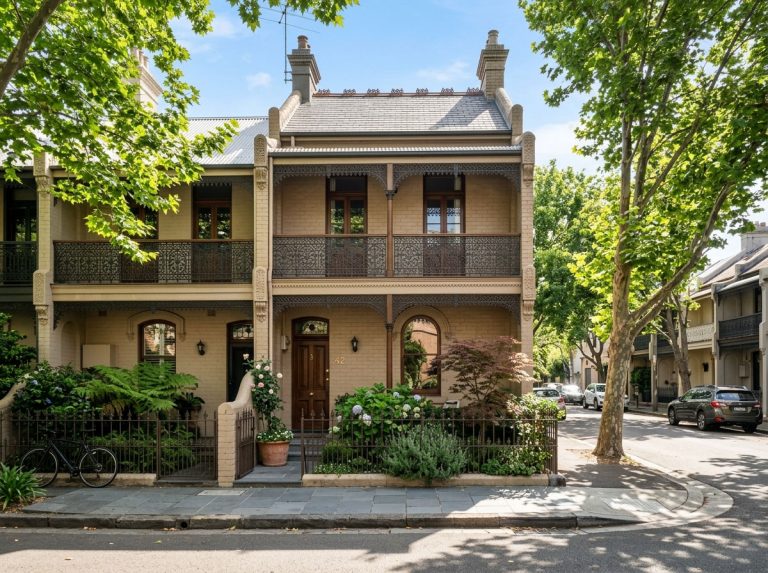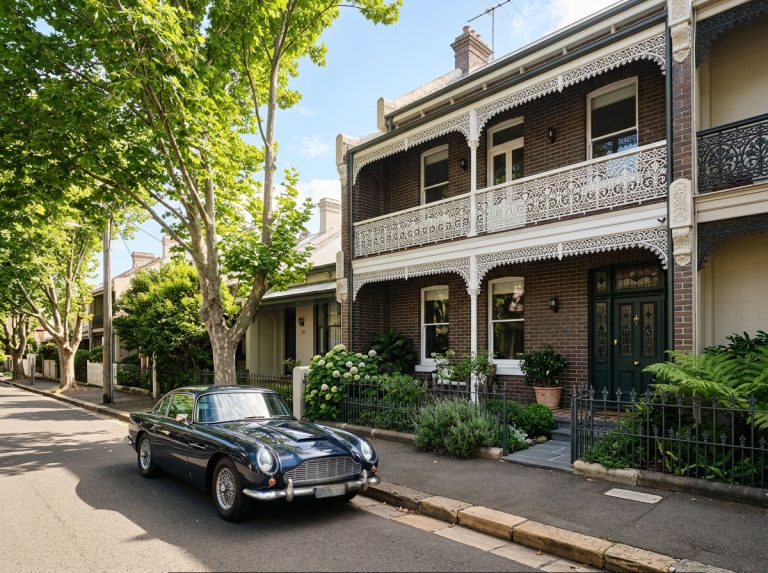
The Inner West and Lower North Shore are both highly desirable Sydney regions, but value varies markedly once we adjust for land size, liveability, and future growth. In our view as buyers’ agents, many buyers will extract stronger long‑term value from carefully selected Inner West and “value pocket” Lower North Shore suburbs than from trophy postcodes alone.
In this article, we break down the key differences between the two regions and assess each in terms of the value proposition for buyers.
Introduction — Why Value Matters More Than Median Price
When comparing the Inner West and the Lower North Shore, many buyers fixate on median house prices and assume that the more expensive region must be “better”. In reality, median prices are blunt instruments: they ignore land size, streetscape quality, transport connectivity, school catchments, and renovation potential, all of which drive long‑term performance.
We encourage clients to focus on value, not simply cost, by examining the price per square metre of land, local infrastructure, and demographic depth. A suburb with a slightly higher median may offer materially larger blocks, superior schools and stronger rental demand, which can produce better capital growth and lifestyle outcomes over a ten year horizon. Conversely, a lower median can mask compromised locations such as main‑road positions, areas prone to flooding and other undesirable features.
For 2026, both regions remain structurally undersupplied, with tight listings and resilient demand, but their buyer profiles and value propositions differ. Wheras the Inner West suburbs generally excel in walkability, café culture and proximity to the CBD and universities, the Lower North Shore offers prestige, harbour access and larger family homes, particularly in its higher‑end suburbs. Understanding the differences is essential before deciding where your budget stretches further.
Median House & Unit Prices: How the Regions Stack Up
Published data for 2025 indicates that Inner West houses typically transact in the low to mid‑two million range, while comparable Lower North Shore houses frequently sit between the high two million and four million bracket, with prestige pockets significantly higher. Units show a similar pattern, although inner‑ring apartments sometimes narrow the gap due to investor and downsizer demand on both sides of the harbour.
Below we set out indicative medians for selected suburbs in each region, together with an estimated price per square metre of land for typical house blocks. These figures are approximate but they illustrate how land value can diverge from headline medians.
Indicative 2025 medians and estimated land value
| Region | Suburb | Median price (realestate.com.au) | Typical land size (house) | Approx land $/m² (house) | Notes |
| Lower North Shore | Chatswood W. | $2,320,000 | 600 m² | ≈ $3,866/m² | Leafy, family‑oriented, strong Asian dining and retail. |
| Lower North Shore | Lane Cove N. | $2,500,000 | 500 m² | ≈ $5,000/m² | Relative value buy within Lower North Shore. |
| Inner West | Concord | $3,262,500 | 450 m² | ≈ $7,250/m² | Larger family blocks, strong owner‑occupier market. |
| Lower North Shore | Naremburn | $3,067,944 | 400 m² | ≈ $7,669/m² | Village feel, strong access to Crows Nest Metro. |
| Inner West | Marrickville | $2,175,000 | 250 m² | ≈ $8,700/m² | Gentrified, strong café culture, good rail and soon to be completed Metro access. |
| Lower North Shore | Crows Nest | $3,000,000 | 320 m² | ≈ $9,375/m² | Walkable, dining hub, excellent transport links. |
| Lower North Shore | Mosman | $5,914,000 | 500 m² | ≈ $11,828/m² | Prestige harbour suburb, blue‑chip long term. |
| Inner West | Annandale | $2,400,000 | 200 m² | ≈ $12,000/m² | Character terraces, close to CBD, village feel. |
| Inner West | Rozelle | $2,330,000 | 150 m² | ≈ $15,533/m² | Harbour‑adjacent, very high demand, limited supply. |
This simplified table highlights the fact that many Inner West suburbs with medians in the low‑two millions deliver land values comparable to, or above, a large proportion of “mid‑range” Lower North Shore suburbs, particularly when we factor in their proximity to the CBD. Conversely, some Lower North Shore pockets such as Lane Cove North and Chatswood West offer relatively lower land rates, representing genuine value for family buyers who prioritise detached housing and school access over harbour views.
For attached dwellings and units, the pricing hierarchy is more nuanced. High‑spec, newer apartments in transport‑rich Lower North Shore nodes can command premiums over older Inner West walk‑ups, yet the latter may still outperform on yield and value‑add potential due to lower strata levies and renovation upside.
Price per Square Metre: The Real Value Metric
Price per square metre of land can be a reliable indicator of underlying value, particularly for houses and ground‑level townhouses. It allows buyers to compare vastly different locations and dwelling types on a like‑for‑like basis. In land‑constrained markets such as Sydney, rising land value is typically the primary driver of long‑term capital growth.
On this metric, select Inner West suburbs such as Annandale, Rozelle and Balmain frequently record land rates that rival or exceed mid‑tier Lower North Shore areas, even when their medians appear lower at first glance. That is because much of the purchase price is attributable to irreplaceable, well‑located land close to employment centres, universities, and established high‑income demographics.
On the other hand, Lower North Shore suburbs often achieve higher medians because they offer larger homes and superior improvements rather than more expensive land per square metre. For example, a family home in Lane Cove North may sit on a substantial block at a lower land rate than an equivalent‑priced terrace in the Inner West. The large block may provide better value for buyers who intend to hold for the long term and possibly add a second storey or extension.
For units, the price per square metre of internal floor space area is equally instructive but buyers must interpret the data carefully. For example, high‑rise investor stock with generous facilities will often command a higher nominal rate than low‑rise boutique blocks, yet body corporate levies, build quality, and supply pipelines can materially impact real value. This is where a detailed, property‑specific analysis by experienced buyers’ agents becomes crucial.
Transport & Commuting: Train, Light Rail & Ferries
Accessible, reliable transport is central to value in both regions. In 2026, Inner West suburbs benefit from a dense network of heavy rail, light rail and bus routes, connecting residents quickly to the CBD, universities, and employment hubs. Corridors such as Newtown–Marrickville and Ashfield–Strathfield remain highly sought after due to frequent train services and the ability to commute without reliance on cars.
The Inner West Light Rail links Dulwich Hill through Leichhardt, Lilyfield and Rozelle to the CBD, supporting demand for properties within walking distance of stops. As new infrastructure and timetable improvements are delivered, we expect price premiums around key stations and light rail nodes to persist. For buyers who work in the CBD or education precincts, these transport advantages translate directly into day‑to‑day convenience and resale appeal.
The Lower North Shore offers a different but equally compelling transport mix. Train lines through St Leonards, Wollstonecraft, Waverton and North Sydney feed into the CBD within a few stops, while ferry services from suburbs such as Mosman and Neutral Bay deliver a lifestyle‑rich commute with strong emotional appeal. The Crows Nest Metro, in particular, is reinforcing the value proposition of surrounding suburbs including Naremburn and Wollstonecraft, by improving connectivity to both the city and the north‑west growth corridor.
Ultimately, neither region can be considered objectively “better” on transport; it is a question of where you need to be each day. Buyers who work in the CBD, Camperdown or Randwick health and education precincts often find Inner West locations more time‑efficient, whereas those employed in North Sydney, Macquarie Park or Chatswood may gain greater value from living on the Lower North Shore.
Schools & Catchments: What Parents Really Search For
School catchments are one of the most powerful drivers of family buying decisions, and both regions contain schools that consistently perform above state averages. In the Inner West, selective and high‑performing public schools in and around suburbs such as Ashfield, Balmain, Leichhardt, Marrickville, Petersham and Strathfield, underpin strong demand from education‑focused buyers. Proximity to private schools along the inner ring also plays a role, particularly for higher‑income households.
Parents frequently search for the right suburb first by school, then filter for suburbs within that catchment. This concentrates demand and elevates prices in particular pockets. For example, homes on the “right” side of a boundary line can transact at a notable premium compared to those just outside, even when the physical properties are similar. In our experience, family buyers are increasingly sophisticated in their use of catchment maps and NAPLAN or HSC performance data when shortlisting locations.
On the Lower North Shore, a concentration of prestigious independent schools and well‑regarded public schools in suburbs such as Mosman, Neutral Bay, Lane Cove and Chatswood creates intense competition for family‑sized homes. Here, the interplay between school quality, larger land parcels and high‑income professional demographics supports both elevated medians and resilient values through market cycles.
From a value perspective, some of the strongest opportunities in 2026 lie in “up‑and‑coming” catchments that are improving academically but have not yet been fully repriced. Identifying these requires granular analysis of performance data, something that experienced buyers’ agents undertake regularly on behalf of clients in both regions.
Lifestyle & Amenity Comparison
Lifestyle factors often tip the balance when buyers are torn between the Inner West and the Lower North Shore. The Inner West is renowned for its vibrant café and dining scene, live music venues, galleries and community‑oriented high streets in suburbs such as Newtown, Marrickville, Leichhardt and Balmain. Walkability, heritage streetscapes and a strong creative culture attract younger professionals, downsizers and families seeking an urban village feel. The range of different suburbs across the Inner West can suit a diverse range of buyers.
Parks and green spaces, including the expansive foreshore around the Bay Run and pockets of waterfront in Rozelle and Balmain, enhance day‑to‑day liveability without sacrificing proximity to employment centres. For many buyers, the ability to live car‑light, walk children to school and access diverse food and entertainment options delivers exceptional lifestyle value, even when homes are smaller or on narrower blocks than their Lower North Shore counterparts.
The Lower North Shore tends to emphasise a different mix of amenities. Harbour access, bushland reserves and family‑friendly parks are major drawcards, particularly for buyers who value water views and outdoor recreation. Retail and dining hubs such as Crows Nest, Chatswood and Mosman village offer a high concentration of services, shopping and restaurants, often within a short drive or ferry ride of the CBD.
In broad terms, the Inner West caters exceptionally well to buyers seeking an energetic, urban lifestyle with a slightly edgier character, whereas the Lower North Shore leans towards a more traditional, prestige‑oriented environment with an emphasis on harbour, schools and quieter residential streets. Both can deliver excellent quality of life; the question is which aligns more closely with your priorities?
Which Region is more Suitable?
While every buyer is unique, certain buyer profiles tend to align naturally with each region.
Inner West‑leaning buyer profiles
- Young professionals and couples without children who prioritise café culture, nightlife, and minimal commute times to the CBD or inner‑city employment hubs.
- Young families seeking access to improving public schools, smaller character homes and the ability to walk to parks, playgrounds and community facilities.
- Seasoned investors who value strong rental demand from students, professionals and migrants, coupled with robust long‑term capital growth driven by scarcity of land and ongoing gentrification.
- Downsizers often looking to move closer to their children and families who already live in the Inner West together with walkability to shops and medical services.
These buyers tend to be comfortable with denser environments, terraces and semis on smaller blocks, and are often attracted to value‑add opportunities such as cosmetic renovations to older housing stock.
Lower North Shore‑leaning buyer profiles
- Established families seeking larger houses on bigger blocks within highly regarded school catchments, often with one or both parents working in the CBD, North Sydney or Macquarie Park.
- High‑income professionals and executives drawn to prestige postcodes, harbour access and the relative quiet of tree‑lined residential streets.
- Downsizers who have previously lived in the area and wish to remain close to familiar communities, often transitioning from large family homes to high‑quality apartments.
These buyers typically place a premium on stability, established reputations and visual amenity, and are willing to pay more for turnkey, low‑maintenance properties with minimal need for renovation.
Conclusion — Final Value Verdict + Tips Before Making Offers
On balance, we consider that 2026 will present compelling value opportunities in both the Inner West and the Lower North Shore, but for different reasons. In the Inner West, the combination of high land values per square metre, ongoing gentrification, strong transport links and vibrant local economies makes well‑selected houses and boutique units particularly attractive for buyers with a medium to long‑term horizon.
On the Lower North Shore, buyers who prioritise school access, larger blocks and blue chip locations can still find value in suburbs such as Lane Cove, Naremburn and Chatswood West, especially when compared with top‑tier harbour suburbs that trade at a significant premium. The key is to differentiate between paying for enduring fundamentals versus paying for transient features that may not sustain their premium indefinitely.
Before making offers in either region, we recommend that buyers:
- Define non‑negotiables
Clarify your priorities around commute time, school catchments, dwelling type and future family plans, and let these guide which side of the harbour offers superior value for you personally. - Analyse price per square metre
Look beyond median prices and compare land rates and internal $/m² across shortlisted suburbs and properties, adjusting for immediate proximity to transport, schools and amenity. - Assess supply pipelines and planning changes
Understand upcoming infrastructure, zoning shifts and major developments that could either elevate or dilute long‑term value in specific pockets. - Conduct rigorous due diligence
Review contract terms, building and strata reports, recent comparable sales and rental evidence, rather than relying solely on online estimates or headline medians. - Engage specialist representation
In a competitive 2026 market, working with experienced buyers’ agents who specialise in the Inner West and key North Shore corridors can materially improve your ability to secure high‑quality assets at the right price.
If you are weighing up a move between the Inner West and the Lower North Shore and would like a detailed, property‑specific assessment of where your budget works best, we at Buyer’s Domain are well placed to assist. Our team lives and operates in these markets daily, enabling us to identify genuine value that broad statistics and automated tools simply do not reveal.