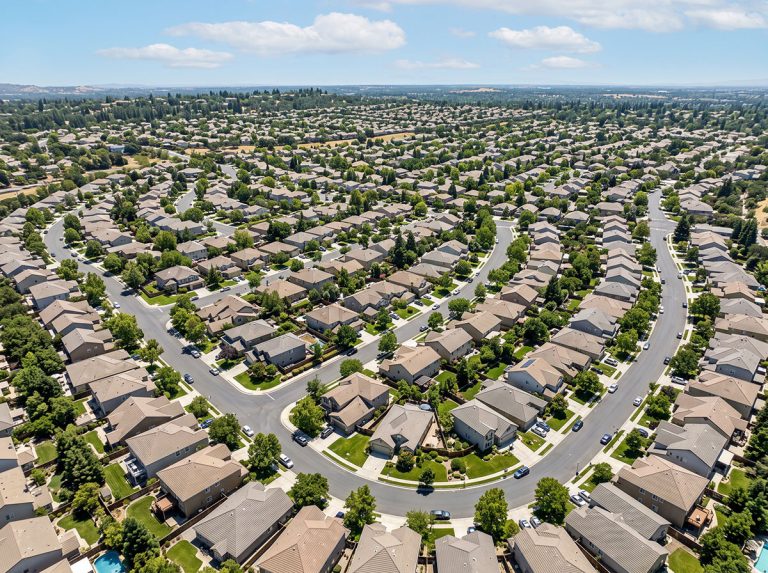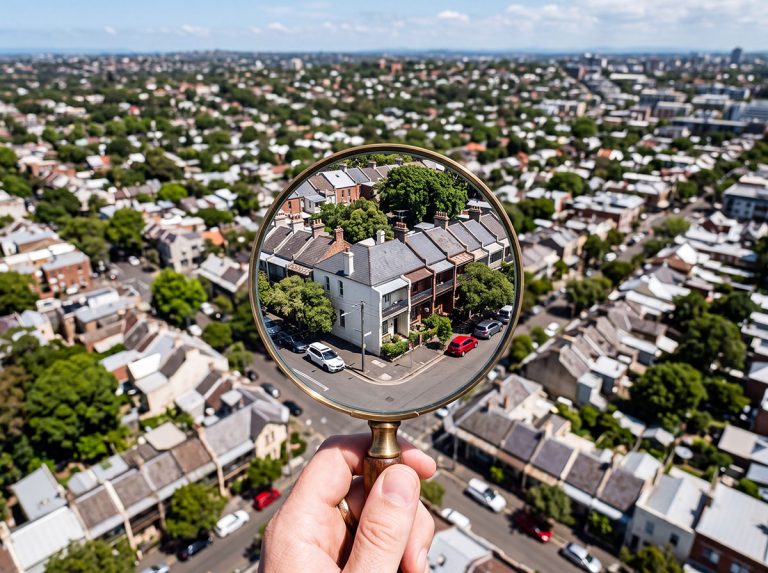
Identifying high-growth suburbs in Sydney requires systematic analysis of demographic, infrastructure, economic, and supply-demand fundamentals rather than chasing short-term price momentum. With citywide median growth moderating to 6–8% in 2026, selective suburb targeting separates outperforming investments from average performers.
At Buyer’s Domain, as specialist buyers’ agents based in Sydney’s Inner West, we apply data-driven frameworks to pinpoint suburbs delivering superior total returns through capital appreciation and rental growth.
The High-Growth Framework: Six Core Metrics
Successful Sydney property investors assess these interconnected factors:
1. Infrastructure Investment Pipeline
Proximity to transformative projects creates sustained uplift:
- Transport: Metro lines, airport rail links, light rail extensions.
- Precinct renewal: Hospital upgrades, university expansions.
- Road networks: Such as M6 and M12 motorways.
2. Demographic Demand Drivers
Target suburbs attracting:
- Young professionals: 25–35 age cohort, dual incomes.
- Growing families: School catchments, parkland.
- Downsizers: Walkable amenities, low maintenance.
3. Employment Precinct Proximity
Suburbs within 30 minutes of:
- CBD/Financial District.
- Tech/biotech clusters (Macquarie Park, St Leonards).
- Medical precincts (RPA, Westmead).
4. Supply Constraints
Favour locations with:
- Heritage protection limiting subdivision and restricting higher density.
- Topography (waterfront, ridgelines).
- Zoning restrictions preserving family housing.
5. Rental Market Fundamentals
Target gross yields >4% with:
- Vacancy rates <1.5%.
- Rental growth >5% p.a.
- Diverse tenant base.
6. Historical Performance Trajectory
Suburbs demonstrating:
- Consistent 8%+ compound growth over 10 years.
- Resilience through downturns.
- Relative value (undervalued vs neighbouring suburbs).
Sydney’s High-Growth Suburbs: 2026 Analysis
Applying the framework identifies these standouts:
Tier 1: Infrastructure‑Led Superstars
Parramatta (Northmead, Westmead, Rosehill)
- Drivers: $10b Western Sydney infrastructure; new hospital; metro connectivity.
Macquarie Park (Macquarie Centre precinct)
- Drivers: Global tech/biotech hub; UNSW expansion; Metro Northwest.
Tier 2: Demographic Sweet Spots
Inner West Emerging (St Peters, Alexandria, Mascot)
- Drivers: Creative industries; airport proximity; light rail.
Hills District (Castle Hill, Kellyville)
- Drivers: Family migration; new schools; business parks.
Tier 3: Value Growth Plays
South West Growth Corridor (Edmondson Park, Leppington)
- Drivers: Western Sydney Airport; 50,000 new dwellings planned.
St George (Brighton-Le-Sands, Rockdale)
- Drivers: Bayside lifestyle; airport train; beach proximity and a more affordable area than the Eastern Suburbs.
Risks in High-Growth Targeting
Overconcentration
When building your property investment portfolio, avoid:
- Single precinct exposure (>20% portfolio).
- Boom suburbs at cycle peak.
Timing Mismatch
Bear in mind that infrastructure benefits materialise over 5–10 years so patience is required.
Regulatory Changes
Zoning reforms or heritage listings alter supply dynamics and are outside your control.
How We, as Buyers’ Agents, Identify Winners
At Buyer’s Domain, our proprietary suburb assessments integrate:
- Real‑time data feeds: Cotality, ABS, infrastructure pipelines.
- Local intelligence and years of experience: Agent networks, council planning.
- Quantitative modelling: 15‑year return forecasts.
- Qualitative overlay: Walkability, school quality, lifestyle.
Recent successes:
- Acquired St Peters warehouse (2024, +28% appreciation).
- Parramatta townhouse (2023, 16 2 20% growth).
- Alexandria house (2024,
Infrastructure Catalysts to Monitor
- Western Sydney Airport (operational 2026).
- Metro West Stage 2 (Parramatta – CBD – scheduled for operation in 2032).
- Bays Precinct renewal (Rozelle Bay).
Conclusion: Systematic Screening Beats Speculation
Sydney’s high-growth suburbs reward investors who apply rigorous, multi‑factor analysis rather than chasing recent performers. Infrastructure‑led precincts like Parramatta and demographic hotspots in the Inner West offer the strongest 2026–2032 prospects.
Master the framework, validate with local expertise, and execute with discipline.
To access our high-growth suburb analysis and secure Sydney’s next outperformers, connect with our team of experienced buyers’ agents.